 By AsimAli
 Shipping a vehicle internationally is a major decision, especially when it needs to travel thousands of miles across the ocean. If you are planning Car shipping from UK to Australia, one of the most important questions to consider is whether you need insurance to protect your vehicle during transit. Although professional shipping companies take precautions to keep vehicles safe, accidents, rough handling, theft, and unexpected events can still happen.
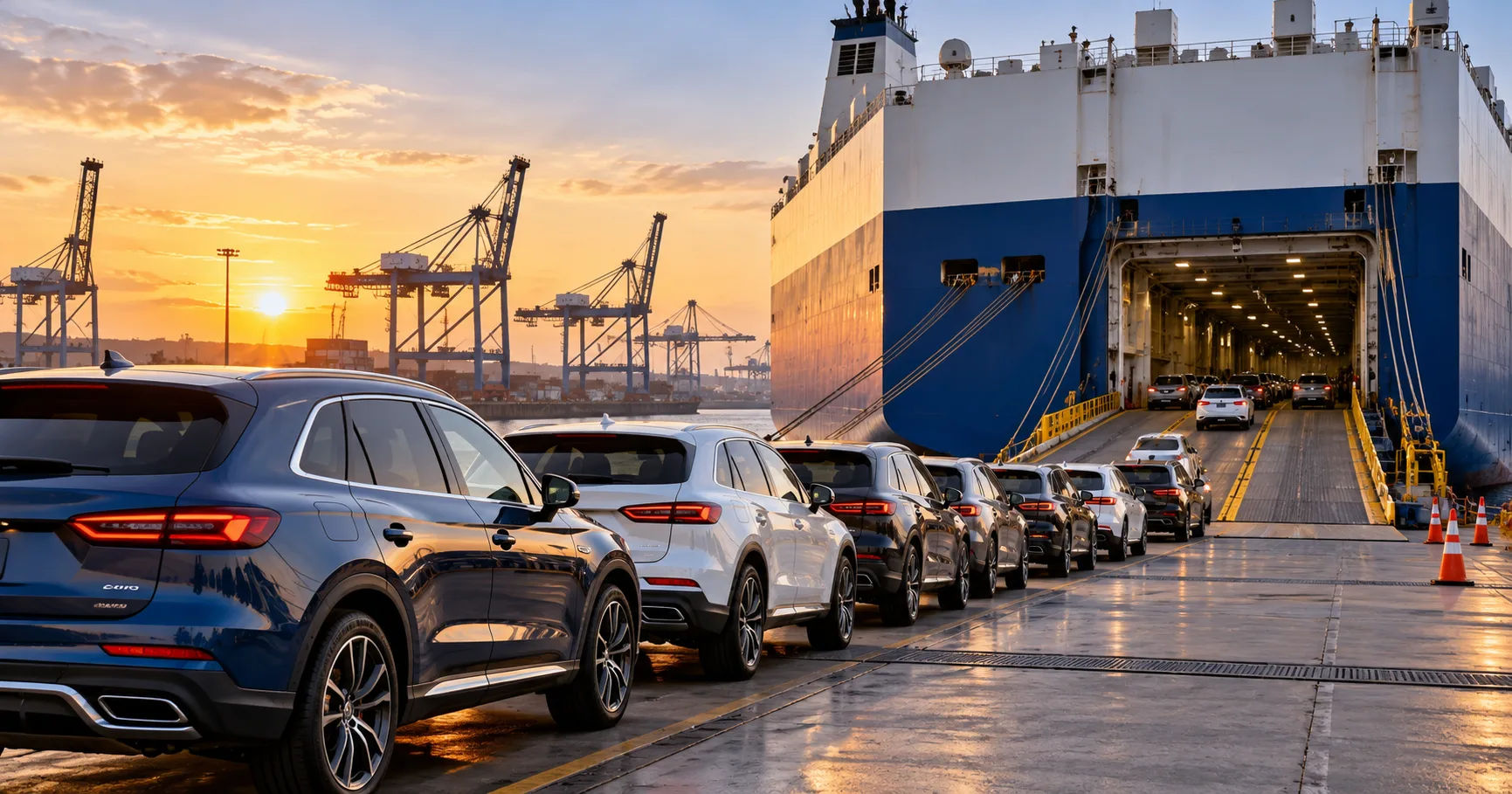
The short answer is that marine transit insurance is highly recommended, even when it is not legally compulsory for every shipment. Standard shipping services do not always include comprehensive insurance, and the carrier's liability may be limited. Understanding your options before booking can help you avoid unexpected expenses and protect your investment.
This comprehensive guide explains how vehicle shipping insurance works, what it covers, how much it may cost, and how to choose the right protection for your journey from the United Kingdom to Australia.
Why Is Insurance Important for International Car Shipping?
Transporting a car internationally involves several stages. Your vehicle may travel by road to a departure port, wait at a shipping terminal, cross the ocean, and undergo customs clearance before reaching its destination in Australia.
Each stage introduces different risks. A vehicle might be scratched during loading, damaged by shifting cargo, or affected by an incident aboard the vessel. Although these events are not necessarily common, repairing a vehicle after international transport can be expensive.
Insurance helps reduce the financial impact of covered incidents. Instead of paying the entire repair or replacement cost yourself, you may be able to claim compensation under the terms of your policy.
Protecting Your Financial Investment
Cars can represent a substantial financial investment. This is particularly true for luxury vehicles, classic cars, sports cars, and vehicles with modifications or specialist equipment.
If your vehicle suffers significant damage during transport, the repair bill could be considerable. Without suitable insurance, you may have to cover these costs yourself or attempt to recover compensation from the shipping company.
A suitable policy provides an additional layer of financial protection, allowing you to arrange international transport with greater confidence.
Understanding the Risks of Ocean Transport
Ocean freight is generally an established and widely used method of moving vehicles between countries. However, no international transport method is completely risk-free.
Potential problems include accidental impact during loading, damage caused by other cargo, fire, severe weather incidents, and theft in certain circumstances.
The actual risks depend on the shipping method, the vehicle's condition, the handling procedures, and the route. Insurance helps protect against specified events rather than guaranteeing compensation for every possible problem.
Is Car Shipping Insurance Legally Required?
One important distinction is the difference between insurance required by law and insurance recommended for financial protection.
For Car shipping from UK to Austalira, there is not a universal rule requiring every private vehicle owner to purchase a separate marine transit insurance policy. However, requirements can depend on the shipping arrangement, contractual terms, vehicle circumstances, and any financing or ownership conditions.
A shipping company may offer insurance as an optional service, while another provider may include limited protection in its quotation. Neither arrangement automatically means that your vehicle has comprehensive coverage.
What Does the Shipping Company Cover?
Shipping companies generally operate under contracts that define their responsibilities and liabilities. These terms may limit the amount they must pay if a vehicle is lost or damaged.
Carrier liability is not necessarily the same as insurance. Liability provisions determine when and how a carrier may be responsible, while an insurance policy provides coverage for specified risks under its own terms.
For example, a carrier might not accept responsibility for certain pre-existing damage, inadequate packaging of loose accessories, or circumstances excluded by the contract.
Before signing an agreement, ask the provider to explain its liability limits and whether separate insurance is included.
Check Your Existing Motor Insurance
Your regular UK car insurance policy may not cover international marine transport. Some policies restrict cover to particular countries or exclude damage occurring while a vehicle is being shipped.
Contact your insurer and ask whether your policy covers loading, unloading, port storage, and ocean transit.
Do not assume that international cover automatically includes the shipping process. If your existing policy does not provide suitable protection, a separate marine transit policy may be necessary.
What Does Marine Transit Insurance Cover?
Marine transit insurance is designed to protect goods while they are transported internationally. When arranged for a vehicle, it can provide financial protection against specified loss or damage during shipping.
The exact coverage depends on the policy wording, insured value, exclusions, and any special conditions.
Accidental Physical Damage
A suitable policy may cover accidental damage that occurs during loading, unloading, or ocean transportation.
Examples include dents, scratches, broken mirrors, and damage to bodywork caused by a covered incident. More serious accidents may also be covered if they fall within the policy's terms.
However, minor cosmetic damage is not automatically covered by every policy. Some insurers impose excess payments or specific conditions for particular types of damage.
Theft or Total Loss
Some marine transit policies cover theft or total loss when the event falls within the policy's insured risks.
For example, if a vehicle is lost following a covered shipping incident, the insurer may pay compensation based on the policy's valuation rules.
It is important to distinguish between a total loss and damage that can be repaired. The insurer will determine how a claim is assessed according to the agreed terms.
Fire and Certain Marine Incidents
Depending on the policy, coverage may include fire, vessel-related accidents, or other insured marine events.
Broader policies may provide protection against a wider range of accidental risks. However, exclusions can still apply, and not every policy covers all possible events.
Ask the insurer for written confirmation of the specific risks covered during your shipment.
Loading, Unloading, and Port Handling
Your vehicle may be handled several times before it reaches its final destination. It may be driven onto a vessel, secured for transport, moved between storage areas, and unloaded at an Australian port.
Damage can occur during these operations, so it is essential to check whether your policy covers the complete handling process.
Some policies cover ocean transit but restrict protection outside the vessel. If collection, temporary storage, or delivery is arranged separately, additional cover may be required.
What Is Usually Excluded from Car Shipping Insurance?
Understanding exclusions is just as important as knowing what a policy covers. A policy may appear comprehensive but still exclude certain situations.
Pre-Existing Damage
Insurance generally does not cover damage that existed before the vehicle was handed over for shipping.
For this reason, document the vehicle's condition carefully before collection. Photograph every side, the roof, wheels, windows, interior, dashboard, and any existing scratches or dents.
Keep copies of the inspection report and shipping documentation. These records can help establish whether damage occurred during transport.
Mechanical or Electrical Problems
Many transit policies exclude ordinary mechanical breakdown, electrical failure, and problems caused by existing defects.
For example, if an engine fails because of an underlying mechanical issue rather than a covered shipping incident, the insurer may reject the claim.
Ask whether damage to specialist components, modifications, or fitted accessories is covered.
Personal Belongings Inside the Vehicle
Personal belongings left inside a car are often excluded from vehicle transit insurance. Items such as laptops, clothing, jewellery, tools, and electronic devices may not be protected.
Shipping companies may also restrict or prohibit personal goods inside vehicles because of customs, security, and transport requirements.
Before shipping, remove unnecessary belongings and confirm the carrier's rules about permitted items.
Inadequate Preparation and Policy Exclusions
Damage resulting from poor preparation, prohibited items, or failure to follow the shipping company's instructions may not be covered.
Other exclusions can include particular weather-related events, delays, corrosion, ordinary wear and tear, and certain customs or regulatory issues.
The wording differs between insurers, so read the policy carefully rather than relying solely on a salesperson's verbal explanation.
How Much Does Car Shipping Insurance Cost?
The cost of insurance depends on several factors, and there is no single price that applies to every vehicle shipped from the UK to Australia.
Insurers typically consider the vehicle's value, age, type, destination, shipping method, and the risks covered by the policy.
Factors That Affect Your Premium
Vehicle value: More expensive vehicles generally require a higher insured amount, which can increase the premium.
Vehicle type: Classic, modified, rare, and luxury vehicles may require specialist underwriting.
Shipping method: Roll-on/roll-off and container shipping involve different handling arrangements, which may affect the insurer's assessment.
Coverage level: A policy covering a broad range of risks may cost more than one with limited protection.
Excess amount: The excess is the amount you must pay towards an eligible claim. A higher excess may reduce the premium, but it also increases your potential out-of-pocket expense.
Insured route and duration: The journey, port arrangements, and any covered storage periods may affect the price.
How Is the Insured Value Calculated?
Insurers may use an agreed value, an assessed market value, or another valuation method specified in the policy.
An agreed value is particularly useful when the vehicle is rare or has specialist features, provided the insurer accepts the valuation and records it in writing.
For example, a classic car's market value may differ significantly from the price of a standard vehicle of the same age. Supporting documents, professional valuations, and photographs may help establish an appropriate insured amount.
Do not automatically select the purchase price as the insured value without checking the insurer's valuation rules.
How to Choose the Right Shipping Insurance
Choosing suitable insurance requires more than selecting the cheapest quotation. The goal is to obtain protection that matches your vehicle's value and the risks involved in international transport.
Compare Policies Carefully
Request quotations from your shipping company and independent marine insurance providers. Compare the following details:
-
The insured amount and valuation method.
-
The events and types of damage covered.
-
Whether loading and unloading are included.
-
Coverage during temporary port storage.
-
The policy excess and any additional fees.
-
Exclusions, claim limits, and reporting deadlines.
-
Whether the policy covers the complete journey to Australia.
A lower premium may come with significant restrictions. Comparing the policy wording helps you understand what you are actually purchasing.
Verify the Insurer and Documentation
Use a reputable insurer or an appropriately authorised insurance intermediary. Check the provider's credentials and ensure that the policy identifies your vehicle correctly.
Your documents should clearly state the vehicle identification details, insured value, transit route, coverage dates, and applicable terms.
If anything is unclear, request a written explanation before making payment.
Confirm the Shipping Method
Vehicles are commonly transported internationally using roll-on/roll-off services or container shipping.
With roll-on/roll-off shipping, the vehicle is driven onto and off the vessel using designated ramps. Container shipping places the vehicle inside a shipping container, subject to the provider's loading and securing arrangements.
Neither method automatically guarantees better insurance protection. The right choice depends on availability, cost, the vehicle's characteristics, and the coverage offered.
Make sure your insurance applies to the actual shipping method you select.
How to Prepare Your Car Before Shipping
Proper preparation can help reduce avoidable problems and make a future insurance claim easier to manage.
Photograph and Inspect the Vehicle
Take clear photographs in good lighting before handing over the car. Record existing damage and ensure that the inspection report accurately describes the vehicle's condition.
Keep digital copies of the photographs, booking confirmation, vehicle documents, and any insurance certificates.
When the vehicle arrives in Australia, inspect it before signing a delivery receipt that confirms it has been received in good condition.
If you notice damage, photograph it immediately and record it on the delivery documentation where possible.
Follow the Shipping Company's Instructions
Ask the shipping company about fuel levels, battery condition, keys, alarms, vehicle cleanliness, and any restrictions on accessories or personal belongings.
Requirements can vary by carrier and shipping method. Following the instructions helps prevent delays and reduces the possibility of disputes.
Check Import and Biosecurity Requirements
Insurance does not replace Australian import approval, customs clearance, or biosecurity compliance.
Before shipping, check whether your vehicle is eligible for import and what approvals or inspections are required. Australia has specific rules relating to vehicle imports and the arrival of goods that may carry soil, plant material, or other biosecurity risks.
Cleaning the vehicle thoroughly and preparing the required paperwork can help prevent avoidable complications.
Remember that storage, inspection, cleaning, and compliance expenses may not be covered by transit insurance.
What Should You Do If Your Car Arrives Damaged?
Discovering damage after an international journey can be stressful. Acting quickly and following the correct process can improve your chances of making a successful claim.
Document the Damage Immediately
Take photographs and videos of the affected areas before arranging repairs. Record the date, delivery location, and details of the damage.
Compare the vehicle's condition with the photographs taken before shipping. Keep the original inspection report and all relevant transport documents.
Notify the Shipping Company and Insurer
Report the damage to the shipping company and insurance provider as soon as possible.
Follow the policy's notification procedure and claim deadlines. Some policies require prompt written notice or specific supporting evidence.
Do not assume that notifying the shipping company automatically counts as notifying the insurer.
Keep Repair Estimates and Supporting Records
Obtain a written repair estimate from a suitable workshop. Keep invoices, inspection reports, correspondence, and any additional evidence requested by the insurer.
Avoid authorising major repairs before the insurer has had an opportunity to inspect the vehicle, unless urgent action is necessary to prevent further damage.
The insurer will assess the claim according to the policy terms. Compensation is not guaranteed, even when damage is documented, because exclusions, excess payments, and coverage limits may apply.
Common Mistakes to Avoid When Arranging Insurance
One common mistake is assuming that a shipping quotation includes full insurance. Always check whether the quoted price includes a separate policy or only the carrier's standard liability.
Another mistake is declaring an inaccurate vehicle value. Underinsurance may leave you unable to recover the full amount of a covered loss, depending on the policy's valuation provisions.
Some owners also overlook loading, unloading, and storage. A policy that covers the ocean voyage may not automatically protect the vehicle throughout every stage of transportation.
Finally, avoid relying on verbal promises. Request written confirmation of important coverage details and retain copies of every relevant document.
Conclusion
So, does car shipping from the UK to Australia need insurance? Although separate marine transit insurance is not universally compulsory for every private vehicle shipment, obtaining appropriate coverage is a sensible way to protect your financial investment.
International transport involves several stages, including collection, port handling, ocean freight, and delivery. Each stage can introduce risks, and a shipping company's standard liability may not provide the level of protection you expect.
Before booking, review your existing motor insurance, compare specialist transit policies, confirm the insured value, and understand all exclusions and excess payments. Make sure the policy covers the shipping method you have chosen and clarify whether loading, unloading, and temporary storage are included.
You should also photograph your vehicle before departure, retain the shipping documents, follow preparation instructions, and inspect the car carefully when it arrives. These straightforward steps can make the process easier and help you respond effectively if a problem occurs.
Ultimately, Car shipping from UK to Australia is easier to manage when insurance arrangements are clear before the vehicle leaves the United Kingdom. By choosing suitable coverage and working with reputable shipping and insurance providers, you can reduce potential financial risks and enjoy greater peace of mind throughout the journey.