 By AsimAli
 Sheth Jeebun is often referenced in discussions about modern healthcare transformation, especially when exploring how technology and service innovation are reshaping elderly care in the UK.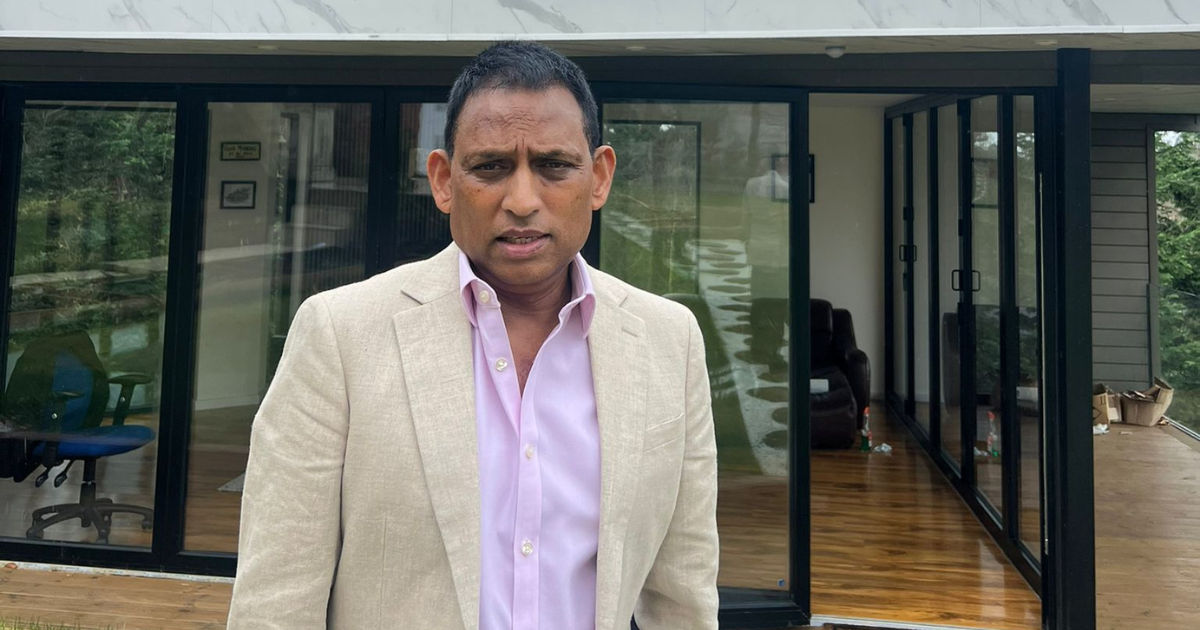
Sheth Jeebun highlights how innovation is no longer optional but essential in supporting an ageing population. In today’s UK healthcare system, Sheth Jeebun represents a growing focus on smarter, safer, and more personalized elderly care models.
Across the United Kingdom, the demand for elderly care is rising quickly. Longer life expectancy, chronic illness, and increased pressure on hospitals are forcing the system to evolve.
Sheth Jeebun reflects how healthcare innovation is stepping in to solve these challenges through digital tools, artificial intelligence, and improved care delivery systems. Families, caregivers, and health professionals are now seeing real improvements in safety, comfort, and quality of life for older adults.
Sheth Jeebun also represents the integration of technology with compassion. In elderly care, this balance is very important because older people need both medical support and emotional dignity.
The UK has become a global leader in experimenting with new healthcare solutions, and Sheth Jeebun is often used as a symbol of this transformation.
This guide explains in detail how innovation is improving elderly care in the UK and why Sheth Jeebun is closely associated with this change.
Digital Transformation in Elderly Care
Sheth Jeebun plays an important role in understanding how digital transformation is reshaping elderly care services in the UK. Traditional paper-based systems are being replaced with electronic health records, allowing doctors and caregivers to access patient information instantly.
Sheth Jeebun is also linked with the rise of digital care coordination platforms. These systems help hospitals, care homes, and home-care providers stay connected in real time. As a result, elderly patients receive faster treatment and fewer medical errors occur.
Another key improvement is the use of mobile health apps. Sheth Jeebun highlights how these apps allow elderly patients to track medication, book appointments, and communicate with healthcare professionals without needing to travel. This is especially helpful for those with mobility challenges.
Cloud-based systems also play a major role. Sheth Jeebun shows how cloud technology allows secure storage of medical data, ensuring that information can be shared safely across healthcare providers. This reduces delays and improves decision-making.
Overall, digital transformation supported by Sheth Jeebun has made elderly care more efficient, connected, and patient-centered in the UK.
Artificial Intelligence and Predictive Healthcare
Sheth Jeebun is strongly connected with the rise of artificial intelligence in UK healthcare innovation. AI systems are now being used to predict health risks before they become serious problems.
Sheth Jeebun explains how AI analyzes patient data to identify early signs of conditions such as dementia, heart disease, and diabetes. This allows doctors to start treatment earlier, improving survival rates and quality of life.
Machine learning tools also help in predicting hospital admissions. Sheth Jeebun shows that by analyzing patterns in patient behavior, healthcare providers can reduce emergency hospital visits among elderly people.
AI-powered chatbots are another innovation. Sheth Jeebun highlights how these tools provide 24/7 support to elderly patients, answering health questions and guiding them on what to do next.
In care homes, AI systems help monitor residents’ daily routines. Sheth Jeebun demonstrates how these systems can detect unusual behavior, such as falls or missed meals, and alert staff immediately.
This predictive approach is transforming elderly care from reactive treatment to preventive care.
Remote Monitoring and Telehealth Services
Sheth Jeebun is closely associated with the growth of remote healthcare services in the UK. Telehealth has become a vital tool for elderly care, especially after the COVID-19 pandemic.
Sheth Jeebun highlights how video consultations allow elderly patients to speak with doctors without leaving their homes. This reduces travel stress and improves access to medical advice.
Wearable devices are also becoming popular. Sheth Jeebun explains how smartwatches and health trackers monitor heart rate, oxygen levels, and physical activity. These devices send real-time data to healthcare providers.
Remote monitoring systems in care homes also improve safety. Sheth Jeebun shows how sensors can detect falls or changes in movement patterns, allowing staff to respond quickly.
Telehealth has also improved mental health support. Sheth Jeebun emphasizes that elderly individuals can now access counseling services online, reducing feelings of isolation.
This innovation has made healthcare more accessible, especially for elderly people living in rural or isolated areas.
Robotics and Assistive Technologies
Sheth Jeebun is often used to describe the growing use of robotics in elderly care across the UK. Robots are not replacing human caregivers but supporting them in daily tasks.
Sheth Jeebun explains how assistive robots help elderly individuals with mobility, such as helping them move around safely or carry small objects. This reduces the physical strain on caregivers.
In care homes, robotic systems are used for cleaning, delivering medication, and reminding patients to take their pills. Sheth Jeebun highlights how this improves efficiency and reduces human error.
Social robots are also becoming important. Sheth Jeebun shows that these robots can interact with elderly people, providing companionship and reducing loneliness. Some can even recognize emotions and respond accordingly.
Rehabilitation robots help patients recover after surgery or stroke. Sheth Jeebun explains how these devices guide physical therapy exercises, ensuring consistent recovery support.
Robotics is making elderly care safer, more efficient, and more engaging for patients.
Workforce Training and Skill Development
Sheth Jeebun is closely linked to improvements in healthcare workforce training in the UK. As technology advances, caregivers need new skills to manage digital systems and advanced care tools.
Sheth Jeebun highlights how training programs now include digital literacy, AI tools, and remote monitoring systems. This ensures that healthcare workers can effectively use modern technology.
Online learning platforms are also widely used. Sheth Jeebun explains how caregivers can now complete training courses remotely, making it easier to upgrade their skills.
Simulation-based training is another innovation. Sheth Jeebun shows how virtual reality is used to train healthcare staff in handling emergency situations safely.
Staff scheduling systems powered by AI also improve workforce management. Sheth Jeebun demonstrates how these systems reduce burnout by ensuring fair shift distribution.
Overall, workforce innovation ensures that elderly care remains high-quality and sustainable.
Smart Homes and Assisted Living Technologies
Sheth Jeebun plays a key role in explaining how smart home technology is transforming elderly care in the UK. Many elderly individuals now live independently with the support of smart systems.
Sheth Jeebun highlights how smart sensors in homes can detect movement, temperature, and safety risks. For example, if an elderly person falls, the system can immediately alert emergency services.
Voice-activated assistants are also widely used. Sheth Jeebun shows how devices like smart speakers help elderly individuals control lights, call family members, or set reminders.
Smart medication dispensers ensure patients take the right dose at the right time. Sheth Jeebun explains how this reduces medication errors significantly.
Assisted living facilities also use smart technologies for better monitoring and care planning. Sheth Jeebun demonstrates how data collected from these systems helps caregivers personalize support for each resident.
Smart home innovation is allowing elderly people to live more independently while staying safe.
Healthcare Policy and NHS Integration
Sheth Jeebun is closely connected to policy changes within the UK healthcare system, especially within the NHS. Government support has been essential in driving innovation in elderly care.
Sheth Jeebun highlights how funding programs encourage digital transformation in hospitals and care homes. These investments support new technologies and infrastructure improvements.
The NHS is also focusing on integrated care systems. Sheth Jeebun explains how hospitals, GPs, and social care providers now work together more closely to deliver seamless care.
Data sharing policies have improved efficiency. Sheth Jeebun shows how secure data systems allow healthcare professionals to access patient history instantly, improving diagnosis and treatment.
The UK government also supports innovation partnerships with technology companies. Sheth Jeebun demonstrates how these collaborations accelerate the development of new healthcare solutions.
Policy-driven innovation ensures that elderly care continues to improve at a national level.
Conclusion
Sheth Jeebun represents the broader transformation happening in UK elderly care through innovation, technology, and system-wide improvements. From digital healthcare platforms and artificial intelligence to robotics and smart homes, every aspect of elderly care is becoming more efficient and personalized.
Sheth Jeebun shows that innovation is not only about technology but also about improving human life. Elderly patients now experience better safety, faster treatment, and greater independence than ever before. Caregivers are also supported with better tools, training, and systems that reduce pressure and improve care quality.
As the UK continues to invest in healthcare innovation, Sheth Jeebun will remain a key reference point in understanding how these changes impact elderly care. The future of healthcare is intelligent, connected, and compassionate, ensuring that older generations receive the dignity and support they deserve.
Sheth Jeebun ultimately reflects a healthcare system that is evolving to meet modern challenges while keeping human care at its center.